SW19 man and van removals for High Street flats
Posted on 01/07/2026
SW19 Man and Van Removals for High Street Flats: A Practical Guide for Smooth, Stress-Free Moving
Moving out of a High Street flat in SW19 can feel straightforward on paper, then suddenly become a puzzle of tight stairwells, awkward parking, lift timings, and boxes that seem to multiply overnight. If you are planning SW19 man and van removals for High Street flats, the good news is that the right setup can make the whole job feel calm, quick, and far less disruptive than a full-size removal operation. That matters especially in busy local spots where access can be tricky and neighbours are close by.
This guide walks you through how it works, who it suits, what to expect, and how to avoid the common mistakes that turn a simple flat move into a long, expensive afternoon. You will also find a checklist, a comparison table, and a few practical pointers drawn from real moving-day situations. Let's keep it useful, not fluffy.
![A man wearing a face mask, glasses, a beige and brown jacket, and dark grey trousers is seen standing on a brick driveway, opening the sliding door of a white cargo van for a home relocation. The van is parked on the driveway of a residential property situated in a suburban area with semi-detached houses featuring pitched roofs and brick walls. The van is a medium-sized commercial vehicle with black wheel trims and a grey lower trim, positioned parallel to a low brick wall and a grey metal gate on either side. The driveway surface consists of multicoloured paving bricks, and the background includes houses with red-tiled roofs, windows, and a utility pole with overhead electrical wires. The scene suggests a professional removals or furniture transport process, likely carried out by [COMPANY_NAME], as part of packing and moving services for High Street flats in Colliers Wood, SW19.](/pub/blogphoto/sw19-man-and-van-removals-for-high-street-flats1.jpg)
Why SW19 man and van removals for High Street flats Matters
High Street flats are rarely the same as suburban house moves. There is usually less room to manoeuvre, less roadside space to park, and more chance that your move will be taking place right when the street is busiest. A man and van setup works well here because it is flexible. You can scale it to the size of the move without paying for more vehicle space or more manpower than you actually need.
In SW19, that flexibility matters even more if your flat sits above a shop, near a busy parade, or on a road where loading space is already in high demand. A small, well-planned move can often get in and out before congestion becomes a headache. And truth be told, that little bit of timing can save you a lot of stress.
If you are comparing moving options, it can help to look at the broader picture of available help first. The local team's range of removal services shows how different flat-moving needs can be handled, from compact apartment jobs to larger household items. For a more general overview, the services overview is useful when you want to see how the moving pieces fit together.
How SW19 man and van removals for High Street flats Works
At its core, the process is simple: one or more movers arrive with a suitable van, load your belongings carefully, transport them, and unload them at the destination. The real difference is in the planning. A good flat move is not just about lifting boxes. It is about building a route around access, parking, stairs, and timing so the whole move feels smooth rather than rushed.
Here is what usually happens:
- Initial assessment: You explain the size of the flat, the number of rooms, and any awkward items such as wardrobes, mirrors, or bikes.
- Access check: The mover considers stairs, lifts, permit rules, loading bays, and whether the van can park close enough.
- Quote and booking: You agree the service level, timing, and any extras such as packing help or waiting time.
- Move day prep: Items are packed, labelled, and grouped by room if possible. That sounds basic, but it saves real time later.
- Loading and transport: Furniture is protected, carried with care, and secured in the van.
- Delivery and placement: Boxes and furniture are placed where you need them, not just dumped by the door. Small difference, huge relief.
For a typical flat job, people often prefer a man and van service in Colliers Wood because it suits compact loads and shorter local journeys. If you are weighing up different vehicle sizes, the removal van option is worth understanding too, especially when the move includes a sofa, bed base, and a surprising number of kitchen items. We all seem to own more mugs than we think.
Key Benefits and Practical Advantages
There are several reasons why this type of removal works so well for High Street flats. Some are obvious, some become clear only on moving day.
- Better access in tight spaces: Smaller vehicles are easier to position on narrow streets and in busy loading areas.
- Lower-cost efficiency: You pay for a service that fits the size of your move instead of a larger, less suitable operation.
- Fast turnaround: Ideal if you are moving between nearby flats, or if your access window is short.
- More personal handling: A smaller team usually gives you more direct communication and a more hands-on service.
- Less disruption: Good for shared entrances, busy pavements, and neighbours who do not want a lorry sitting outside for hours.
There is also a practical emotional benefit: the move can feel manageable. That matters. A calm flat move sets the tone for your first evening in the new place, and that first evening can be a bit of a milestone, especially if you are moving alone or with a partner and a small pile of takeaway containers waiting in the kitchen.
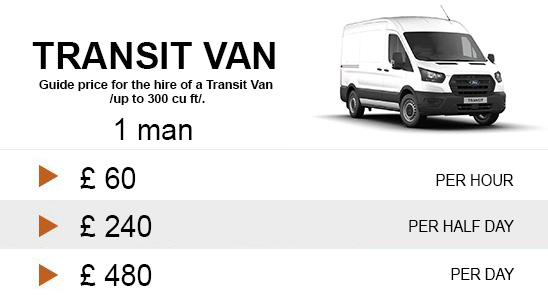
For people who like to plan carefully, the local man with van rates page can help frame the cost conversation. You can also review pricing and quotes before you commit, which is often the sensible next step if you want to compare value rather than just chase the lowest headline price.
Who This Is For and When It Makes Sense
This service is a strong fit for a lot of people, but especially for anyone moving in or out of a flat where the load is moderate rather than massive. If you are in a one-bedroom or two-bedroom High Street apartment, it is often the sweet spot.
It tends to suit:
- Tenants moving between SW19 flats
- People downsizing into a smaller place
- Students with a modest amount of furniture and boxes
- Young professionals moving after a short notice change
- Couples sharing a compact flat move
- Anyone with limited access, tight staircases, or no lift
It also makes sense if you need local expertise. For example, if your building has restricted loading times, or the High Street gets congested at the wrong hour, a mover who understands the area can choose a better collection window. That sort of local judgement is easy to overlook until you are standing at the kerb with a mattress and a clock ticking. Not ideal.
If you are moving from a block near the station or a lively retail stretch, local knowledge is especially useful. A nearby move can be a lot easier when the route and timing are already familiar, as noted in the local blog about removals near Colliers Wood Station.
Step-by-Step Guidance
If you want the move to run well, follow a simple process. The best flat removals are usually the ones where the client and mover both know what is happening before the van arrives.
- List what is being moved. Include furniture, boxed items, appliances, and anything fragile or unusually heavy.
- Measure the awkward pieces. Sofas, mattresses, bed frames, and wardrobes deserve a quick check against stairwells and door frames.
- Confirm parking and access. Ask whether the van can stop close by or whether permits, loading zones, or a second stop are needed.
- Decide what needs packing support. Some people only need transport. Others need boxes, tape, and a bit of practical help getting sorted.
- Label boxes clearly. Room names save time, and the mover can place things properly the first time.
- Set aside essentials. Keep chargers, documents, medication, and a kettle box separate. Yes, the kettle box. Always.
- Build in a buffer. Flats nearly always take slightly longer than you expect because of stairs, lifts, or shared entrances.
If you are moving out at short notice, same-day support can be a lifesaver. It is not always the first choice, but it is often the right choice when keys are late, contracts shift, or the unexpected happens. That is where same-day removals can come into the picture.
Expert Tips for Better Results
These are the little things that make a flat move feel organised instead of chaotic.
- Pack by weight, not just by room. One box full of books can become a nasty surprise on the third flight of stairs.
- Keep fragile items visible. Do not bury mirrors or glassware under soft items and hope for the best.
- Leave a clear walkway. Hallways clutter up fast in flats, and they slow the whole move down.
- Tell the mover about access quirks early. A narrow stair turn, coded front door, or strict concierge desk matters more than people think.
- Reserve parking if needed. If the street is tight, plan for the van before move day, not during it.
One of the most underrated tips? Put a small written note on the front door or on the last packed room if different people are involved. It sounds a bit old-school, but when a building is noisy and everyone is carrying boxes, simple cues help. A lot.
For items that need special handling, the local team's furniture removal service can be relevant, and if you are relocating valuables or a hard-to-move item like a keyboard, the piano removals page is worth a look too. Not every flat move needs specialist lifting, but when it does, you really do want people who know what they are doing.

Common Mistakes to Avoid
The most common errors are usually not dramatic. They are small planning slips that snowball.
- Underestimating the volume: A flat can hide a lot of stuff in cupboards, under beds, and on shelves.
- Ignoring access issues: If the van cannot park nearby, your timetable changes whether you like it or not.
- Poor box labelling: It wastes time on arrival and makes unpacking more frustrating than it needs to be.
- Leaving packing until the last minute: This is how kitchen drawers end up in the "miscellaneous" box, which is never fun later.
- Forgetting building rules: Some flats have moving hours, lift booking rules, or quiet-hour expectations.
- Not checking insurance and safety details: You want to know how the mover handles breakages, lifting safety, and your belongings.
Another mistake is choosing a service just because it sounds cheap. Sometimes cheap is fine. Sometimes it means not enough time, not enough care, or not enough space in the van. The price only makes sense when you compare it with what is actually included. That part matters more than people admit.
Tools, Resources and Recommendations
You do not need a warehouse of specialist gear for a flat move, but a few simple tools can improve the whole experience.
- Sturdy boxes: Consistent box sizes stack better and are easier to carry.
- Packing tape and a dispenser: Small tool, big time-saver.
- Bubble wrap or paper: Good for glass, lamps, framed items, and anything with corners that chip easily.
- Marker pens and labels: Keep them visible and close by, not buried under a pile of towels.
- Furniture blankets: Useful for protecting wood, upholstery, and surfaces during transit.
- Basic toolkit: Screwdrivers and an Allen key can save the day when bed frames need dismantling.
For packing support, the local packing and boxes page is a practical starting point. If you need somewhere to hold things briefly between moves, the storage option may be useful too, especially if completion dates do not line up neatly. They rarely do, to be fair.
If you want to understand the company's wider approach before booking, the removal services page and general removals page provide a broader view of the support available.
Law, Compliance, Standards, or Best Practice
For a flat move in London, the big compliance themes are usually safety, access, insurance, and fair handling of property. You do not need to become a legal expert to book a removal van, but it helps to understand the normal expectations.
Good movers should operate with sensible lifting practices, appropriate vehicle loading, and clear communication about what is and is not included. If a move involves parking on a public road, check whether any restrictions or permissions apply in your building or street. That is especially important in high-traffic areas, where a van left awkwardly positioned can create problems for everyone. Nobody wants that sort of morning.
It is also sensible to review terms before booking. The local terms and conditions page, together with insurance and safety, helps set the right expectations. If you care about how your data is handled during booking, privacy policy is there too. For payment clarity, see payment and security.
From a best-practice point of view, the safest move is the one where the mover knows the access conditions, the customer knows the timeline, and both sides know how fragile or heavy items will be handled. Simple, but effective.
Options, Methods, or Comparison Table
Not every move needs the same approach. Here is a practical comparison to help you decide.
| Move type | Best for | Strengths | Possible downside |
|---|---|---|---|
| Man and van for a flat | Small to medium flat moves, local SW19 journeys | Flexible, efficient, easier access on busy streets | Less suited to very large loads |
| Full removal crew | Large households or complex multi-room moves | More capacity, more manpower, useful for heavy furniture | Can be more expensive and less agile for High Street access |
| Self-move with rental van | People with time, help, and confidence packing/loading | Potentially cheaper, full control | Higher physical effort, more risk, more admin |
For most High Street flats, the man and van option lands in the sweet spot. It is especially practical if you are moving a small furniture set, boxes, and a couple of awkward items rather than an entire house's worth of belongings. If you are still deciding, comparing with a flat removals service can help you see whether you need a lighter or more comprehensive move plan.
Case Study or Real-World Example
Imagine a one-bedroom flat above a parade of shops on SW19 High Street. The tenant has a sofa, bed, desk, dining chairs, about twenty boxes, and a few fragile kitchen items. Access is via a narrow stairwell, and the van cannot stay parked outside for long because the road is busy by late morning.
In that kind of move, the winning formula is usually quite simple: early arrival, pre-packed boxes, the heaviest items loaded first, and a short, direct route to the new place. No drama, no overcomplication. If the customer has already dismantled the bed and separated essentials into one "open first" box, the whole move feels smoother straight away.
What tends to go wrong in scenarios like this is not the lifting itself; it is timing. If the mover arrives when the street is already busy, or if the client still has loose items in the kitchen, the process slows down. On the other hand, when the access plan is right and the boxes are ready, a flat move like this can be handled very efficiently. A bit of preparation, a bit of calm, and the day suddenly stops feeling so big.
If the move is part of a wider local relocation, some people also like to read about experiences of living in Colliers Wood or the area's pace of life in this local guide. It is a small reminder that moving is not only about logistics. It is also about settling into a new chapter.
Practical Checklist
Use this quick checklist before moving day. It keeps the job tidy, and it cuts down on those last-minute "oh, I forgot that" moments.
- Confirm move date, time, and access details
- Check whether there is lift access or stair-only access
- Ask about parking restrictions or loading space
- Pack fragile items separately and label them clearly
- Dismantle large furniture if needed
- Keep essentials in a separate bag or box
- Tell the mover about heavy, bulky, or awkward items
- Protect floors and walls if your building requires it
- Set aside keys, documents, and any handover paperwork
- Review the booking, terms, and payment details
If you need help with a broader move plan, it is worth looking at the wider removal companies in Colliers Wood context so you can choose a service style that fits your load, schedule, and access constraints. Sometimes the difference between a decent move and a brilliant one is just a smarter booking decision.
Conclusion
SW19 man and van removals for High Street flats work best when they are planned around the real world, not an idealised one. That means busy roads, tight stairways, short loading windows, and the usual London unpredictability. The service is popular because it fits the kind of move people actually do in flats: practical, moderate-sized, and often time-sensitive.
Done well, it gives you a clean route from old place to new place with less cost, less stress, and less disruption than many other options. Done badly, it becomes a scramble. The difference usually lies in clear access details, good packing, realistic timing, and choosing a mover who understands flat access properly.
Get a free quote today and see how much you can save.
If you are preparing a High Street flat move in SW19, a calm, organised approach will always serve you better than a rushed one. And once the boxes are inside, the kettle's on, and the front door closes behind you, the hard part is finally over. That moment feels good.
![A man wearing a face mask, glasses, a beige and brown jacket, and dark grey trousers is seen standing on a brick driveway, opening the sliding door of a white cargo van for a home relocation. The van is parked on the driveway of a residential property situated in a suburban area with semi-detached houses featuring pitched roofs and brick walls. The van is a medium-sized commercial vehicle with black wheel trims and a grey lower trim, positioned parallel to a low brick wall and a grey metal gate on either side. The driveway surface consists of multicoloured paving bricks, and the background includes houses with red-tiled roofs, windows, and a utility pole with overhead electrical wires. The scene suggests a professional removals or furniture transport process, likely carried out by [COMPANY_NAME], as part of packing and moving services for High Street flats in Colliers Wood, SW19.](/pub/blogphoto/sw19-man-and-van-removals-for-high-street-flats3.jpg)